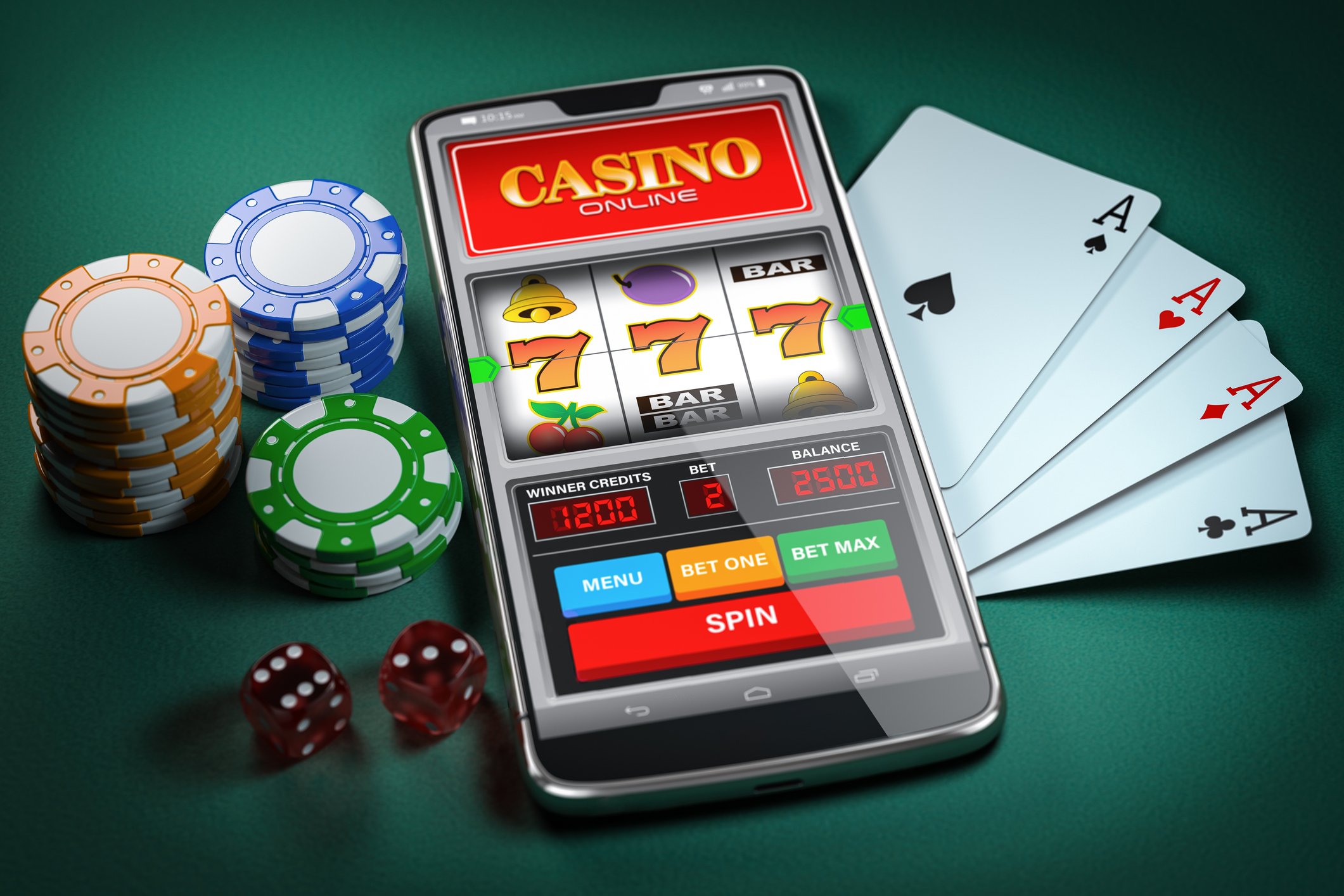
You need a data-first playbook that maps each link slot’s RTP, hit-rate, median win and tail risk by cohort, plus expected regulatory and per-machine compliance costs in Malaysia. Focus on reel volatility, trigger frequency, stake-tier splits and session-length modelling to quantify player value and ARPU. Prioritise A/B hypotheses, KPI benchmarks and a testing cadence with decision rules. Keep experiments small, measurable and regulatory-aware — more detailed models and step-by-step tests follow MMC Malaysia.

Curious what people searching “Value of Link Slot Malaysia” really want? You want a structured, data-led guide that isolates actionable insights: concise metrics, expected RTP ranges, demographic engagement, and regulatory touchpoints. You’ll prefer bullet-style takeaways but here get crisp paragraphs that map search intent to research steps. Focus on player psychology—why Malaysian segments chase progressive pools, social triggers, and risk thresholds—while excluding deep payout mechanics MMC. Pair that with a localization strategy: language variants, payment integrations, and cultural motifs that lift conversion. You’ll want sources cited, A/B hypotheses, and KPI benchmarks to test. Walk away with a prioritized checklist: hypotheses, data needs, testing cadence, and decision rules for product or marketing changes.
How Link Slot Mechanics and Payouts Determine Player Value in Malaysia
You’ve mapped what searchers want and set hypotheses; now let’s link those user insights to how link-slot mechanics and payout structures actually create player value in Malaysia. You’ll evaluate link mechanics by examining reel volatility, trigger frequency for linked bonuses, and correlation between stake tiers and progressive link pools. Quantify expected return by modeling payout distribution across thousands of spins: median win, tail risk, and hit rate per session length. Use cohort splits (low vs. high stake) to reveal where house-edge compresses or expands perceived value. Translate metrics into actionable advice: target machines with tighter payout distribution but higher link-frequency if you prioritize steady ROI, or seek wider distributions for occasional life-changing wins. Track RTP variance over time to validate hypotheses.
Which Regulatory and Tax Rules in Malaysia Affect Link Slot Profitability?
Because Malaysia’s gambling framework is patchwork—mixing federal prohibitions with licensed exceptions and differing state practices—you’ll need to factor legal status, licensing regimes, and tax treatment into any profitability model for link-slot operations. Start by mapping permitted jurisdictions and granular license fees structures; upfront and renewal costs materially change CAPEX/OPEX break-even timelines. Quantify effective tax burdens: corporate tax on operators, goods/services taxes where applicable, and withholding tax on royalties or cross-border vendor payments—each reduces net margin and can alter transfer-pricing decisions. Regulatory compliance costs (audits, reporting, AML controls) should be annualized per machine. Model scenarios with variances in enforcement intensity and probable license revocation risk. Use sensitivity analysis to show how modest changes in license fees or withholding tax rates shift IRR and payback periods.
Small Design Tweaks That Boost Engagement and Revenue Per Link Slot
@ Instructions: This file is in a format called “markdown” (think of it as a raw output from ZimmWriter). Want a “pretty” output? Enable WordPress uploads, or enable HTML output in the ZimmWriter options menu. Alternatively, paste the contents below into https://markdowntohtml.com/ and then take the pretty output and paste it wherever you like, such as a Google Doc.
@ AI text and ancillary models used: GPT-5 Mini (OA). Estimate of about $0.01971 spent on about 1,489 words (Note: The estimate includes all AI image costs, except when you have adjusted it via options such as steps).
@ AI Status: The AI servers appear 100% healthy. Out of the 66 calls to the AI API server, 0 failed.
@ Settings used: Length=Short, Voice=Professional, Lists, Audience_Personality=Magician, Custom_Style=Personal Finance Journalist, Automatic_Keywords, Use_H3, Disable_Skinny_Paragraphs, Conclusion, 10_Subheadings_is_Upper_Limit, Nuke_AI_words, Intro=search_intent_intro, 3_Subheadings_is_LowerLimit, Normal$_Subheading_Quality
@ Midjourney AI Image Prompt: /imagine prompt:A high-resolution, cinematic photograph: a dim casino table littered with scattered chips and a lone, empty glass, soft overhead light casting long shadows; a crumpled bank statement and a pair of trembling hands pushed aside, fingers stained with cigarette ash; in the blurred background, flashing slot machines and a solitary figure slumped on a stool, face turned away—evoking loss, exhaustion, and the stark financial toll of compulsive gambling. –v 6 –ar 16:9
@ Meta Description: Perils of casino betting quietly drain savings, escalate debts, and warp judgment—discover the warning signs and safeguards before it’s too late.
Understanding the Serious Financial Cons of Betting Casino
Casino betting embeds a consistent statistical disadvantage that erodes capital over time. Payout structures and bonuses create incentives to escalate wagers despite negative expectancy. Short-term wins and near-misses obscure cumulative loss while fostering overconfidence and sunk-cost chasing. Players risk debt, fees, lost investment opportunity, tax reporting burdens, and legal exposure when losses compound. Behavioral red flags often precede financial collapse. Practical limits, account controls, and professional help can stabilize finances — more guidance follows for applied steps.

How Casino Odds and House Edge Make Players Lose Over Time
Calculating outcomes from the outset, casinos design games with a persistent statistical advantage—the house edge—that guarantees the establishment profits over many plays even though individual players may occasionally win. Observers seeking control analyze how odds transparency and payout structures reveal inevitable expectancy deficits for players. Rational actors use betting psychology to resist impulsive escalation, recognizing that variance masks long‑term decline. Wealth-preserving strategies focus on bankroll limits, time constraints, and refusal to chase losses. Clear metrics expose that profit for the house accrues steadily from many small edges; power lies in accepting probabilistic realities and declining engagements that favor the casino.
Common Short-Term Illusions That Hide Long-Term Losses
Having established how persistent house edges and payout structures erode player expectancy over time, attention shifts to the short‑term phenomena that obscure that decline. Observers note Quick wins that reinforce overconfidence: isolated gains amplify perceived skill and justify increased stakes despite unfavorable expectancy. Equally potent are Near misses engineered to prolong play; they trigger reward circuitry without altering negative expected value. Both distort risk assessment, encouraging repetition and larger bets. An analytical perspective recommends acknowledging these cognitive biases, quantifying variance versus expectation, and adopting disciplined limits. Power derives from recognizing illusionary signals and enforcing strategies that prioritize long‑term capital preservation.
How Comp Systems and Bonuses Encourage Overspending
While loyalty programs and promotional bonuses are marketed as value-added perks, they systematically alter player incentives in ways that promote higher spending. The architecture of comp systems creates loyalty traps: tiered rewards, time-limited offers, and perceived progress compel escalation. Bonus psychology leverages sunk-cost and reward-anticipation biases, reframing losses as investments toward benefits. An analytical perspective shows these mechanisms shift rational calculation of risk and return, normalizing larger wagers to access perks. Detached assessment warns that the apparent advantage of comps masks engineered dependence on continued play, empowering institutions while undermining individual financial control.
The Cost of Chasing Losses: Debt, Loans, and Interest
The behavioral dynamics that drive players to escalate stakes for comps and bonuses frequently set the stage for another, more damaging pattern: chasing losses. Chasing transforms calculated risk into compelled borrowing, producing compact but severe financial consequences. Observed outcomes include:
- Rapid entry into credit spirals as personal cards and lines are tapped to recoup losses.
- Reliance on short-term loans that expose players to interest traps and compounding balances.
- Erosion of bargaining power when debt servicing consumes discretionary capital, forcing riskier bets to recover principal.
The analysis underscores control measures and disciplined limits as the only reliable defense against this escalation.
Hidden Fees and Opportunity Costs You Rarely See
Casino patrons often encounter hidden transaction charges such as processing fees, ATM surcharges, and service commissions that quietly reduce net returns. These immediate costs compound when comparing funds spent gambling to potential returns from conservative investments, illustrating a tangible lost investment potential. Quantifying both visible fees and forgone gains provides a clearer picture of the true financial impact of casino betting.
Hidden Transaction Charges
Beyond visible stakes and house edges, hidden transaction charges quietly erode players’ returns through fees and indirect opportunity costs that are not immediately apparent on a bet slip. The analysis isolates discrete charge types and their measurable impact, emphasizing control and awareness.
- Bank and card undisclosed surcharges that reduce net payouts.
- Platform processing deductions, withdrawal minimums, and currency conversion marks.
- Service fees camouflaged as “convenience” or verification expenses.
Such charges shift risk profiles and diminish effective bankroll power. A decisive actor audits statements, demands transparency, and factors these drains into betting strategy and cost-benefit calculations.
Lost Investment Potential
Many bettors underestimate how small recurring fees and foregone returns compound into significant lost investment potential over time. A detached analysis shows that money spent on wagers, house edges, and platform fees sacrifices compound interest that otherwise accelerates wealth accumulation. Repeated losses erode capital that could seed diversified portfolios or bolster an emergency fund, reducing financial resilience and leverage. Calculating opportunity cost clarifies trade-offs: short-term entertainment versus long-term power. Rational actors quantify expected returns, set limits, and redirect surplus into higher-yielding assets. Ignoring these hidden costs undermines strategic control and diminishes future optionality and influence over personal finances.
Tax and Legal Consequences of Big Gambling Losses
Large gambling losses can create distinct tax reporting obligations, including the need to declare winnings and properly document losses to claim deductions under applicable laws. Concurrently, significant losses may expose individuals to legal liability risks such as disputes over debt repayment, potential fraud investigations, or breaches of contractual obligations. An analytical review should consider both the tax compliance requirements and the spectrum of legal consequences that can follow sustained or substantial losses.
Tax Reporting Obligations
When evaluating the financial fallout of substantial gambling losses, tax reporting obligations and related legal consequences become a central concern for both taxpayers and advisors. Clarity on withholding requirements and identification of reportable winnings determines compliance and preserves financial control. Advisors assess documentation, timing, and offsets to mitigate tax exposure without invoking liability. Practical considerations include:
- Maintain precise records of wagers, receipts, and net results to substantiate deductions and losses.
- Understand withholding requirements for large payouts and the impact on estimated tax payments.
- Report reportable winnings accurately; reconcile statements to avoid audits and penalties.
The approach is disciplined, strategic, and focused on preserving fiscal authority.
Legal Liability Risks
In the aftermath of significant gambling losses, legal liability risks extend beyond immediate financial harm to include tax obligations, creditor claims, and potential criminal exposure tied to funding sources or fraudulent schemes. A disciplined actor assesses exposure: unpaid taxes trigger audits and penalties; creditors pursue asset seizure or garnishment; third parties may file civil lawsuits alleging fraud, breach of contract, or negligent misrepresentation. Criminal exposure arises if funds derive from illegal activity or if false reporting occurred. Strategic responses include prompt tax resolution, asset protection within legal bounds, engagement of specialized counsel, and transparent documentation to mitigate escalation and preserve control.
Signs of Compulsive Gambling and Financial Red Flags
Recognizing patterns of compulsive gambling requires attention to consistent behaviors and their financial consequences: persistent attempts to recoup losses, escalating bets beyond planned limits, and neglect of essential expenses to fund gambling are key indicators. Detached analysis reveals emotional triggers driving repeated risk-taking and failures of access control that enable harm. Financial red flags signal loss of fiscal sovereignty and require urgent assessment.
- Repeated borrowing or maxing credit despite losses.
- Concealment of spending and unexplained account depletion.
- Prioritizing gambling over bills, savings, or dependents.
These signs denote systemic impairment of decision-making and fiscal authority.
Practical Steps to Protect Your Money and Set Limits
How can a person reclaim control of finances after gambling has become harmful? A decisive plan begins by setting clear boundaries: allocate a fixed entertainment budget, automate transfers to bills and an emergency fund, and restrict access to credit and betting platforms. Monitor cash flow with concise statements and weekly reviews to detect deviations. Implement measurable limits—daily, weekly, monthly—and enforce them via account controls or trusted oversight. Prioritize liabilities and halt discretionary spending until stability returns. This pragmatic, disciplined approach preserves capital, reduces impulsive exposure, and restores authority over financial outcomes without reliance on external interventions.
Resources and Recovery Options for Financial and Gambling Help
Surveying available resources, a person experiencing harmful gambling can access a range of financial and therapeutic supports designed to address both monetary damage and underlying behavior. Detached assessment highlights concrete pathways: creditor negotiation, budgeting assistance, and behavioral treatment. Recommended avenues combine practical repair with relapse prevention.
- Seek certified therapy options (CBT, motivational interviewing) to restructure decision-making and regain control.
- Engage community support groups and peer-led recovery networks for accountability and shared strategies.
- Consult financial counselors or debt specialists to devise repayment plans and protect assets.
This multifaceted approach empowers decisive action, restoring fiscal stability and diminishing gambling’s influence.
Conclusion
Ultimately, the financial harms of casino gambling are systematic and predictable: house edges, opaque incentives, and psychological pressures convert short-term wins into long-term losses, often producing debt, hidden costs, tax issues, and legal complications. Recognizing warning signs and understanding opportunity costs enables more informed choices. Practical measures—strict limits, budgeting, and seeking professional help when patterns emerge—reduce exposure. Policymakers and consumers alike benefit from transparent practices and accessible recovery resources to mitigate widespread fiscal harm.…
More .... Understanding the Value of Every Link Slot Malaysia in Local Gaming